

What’S The Difference Between Slab And Tile Countertops, And Which Offers Better Value?
What’S The Difference Between Slab And Tile Countertops, And Which Offers Better Value?: The distinction between solid stone and tiled countertops in Florida lies in their visual appeal and functional durability, with solid stone generally providing higher perceived value
At Devenio Customs, we specialize in providing expert guidance on the nuances between slab and tile countertops, assisting you in making informed decisions that align with your aesthetic preferences and budget requirements. Our team of skilled professionals in Florida is dedicated to offering comprehensive solutions for all your countertop inquiries, ensuring that you receive personalized recommendations tailored to your unique needs.
Understanding the Distinctions: Slab vs. Tile Countertops
When considering countertop options for your space, it’s essential to understand the disparities between slab and tile countertops to make an informed choice. Here are key differentiators to help you navigate the selection process:
- Material Composition: Slab countertops are crafted from a single piece of material, providing a seamless and luxurious appearance, while tile countertops consist of individual tiles arranged in a pattern.
- Design Flexibility: Slab countertops offer a modern and sleek aesthetic with fewer seams, enhancing visual continuity, whereas tile countertops allow for creative designs through various tile patterns and colors.
- Installation Process: Installing slab countertops involves handling large, heavy pieces of material with precision, while tile countertops require meticulous placement of individual tiles to achieve a cohesive look.
Devenio Customs Countertop Fabricator and Cabinet Designs 8640 Philips Hwy #1, Jacksonville, FL 32256, United States, +19045248240
For more information – Click Here
Comparing Cost and Value of Slab versus Tile Countertops
When evaluating the financial investment in countertops, it is crucial to consider the long-term durability and aesthetic appeal. Both slab and tile countertops offer unique characteristics that cater to different preferences and budgets.
- Slab Countertops:
- Pros:
- Seamless appearance
- Luxurious feel
- Cons:
- Higher upfront cost
- More challenging to repair
- Tile Countertops:
- Pros:
- Cost-effective
- Easy to replace individual tiles
- Cons:
- Grout maintenance
- May look less seamless
While slab countertops can add a touch of elegance to a space, tile countertops provide versatility in design and cost savings. Homeowners should weigh the initial investment against long-term maintenance and repair costs to determine the most suitable option for their needs.
Durability and Longevity Factors in Florida’s Climate
Florida’s unique climate poses specific challenges when it comes to the durability and longevity of countertops. Here are some key factors to consider:
- Humidity levels in Florida can be exceptionally high, leading to potential warping or damage to certain countertop materials.
- Extreme heat can also impact the longevity of countertops, especially those made of materials prone to discoloration or deterioration in high temperatures.
- UV exposure from the sun can cause fading or degradation of certain countertop materials over time, affecting both the appearance and durability.
When selecting a countertop material for a Florida residence, it is crucial to consider these factors to ensure long-lasting performance. Some expert tips to enhance durability in Florida’s climate include:
- Opt for materials with high heat resistance, such as quartz or granite, to withstand Florida’s hot temperatures.
- Choose non-porous materials to prevent moisture absorption and minimize the risk of damage from high humidity levels.
While each countertop material has its pros and cons, understanding how they interact with Florida’s climate is essential for making an informed decision that balances longevity and durability for your specific needs.
Customization Options: Design Flexibility with Slab and Tile Countertops
When it comes to personalizing your living space, the choices you make for your countertops can significantly impact the overall aesthetic of your kitchen or bathroom. Both slab and tile countertops offer a myriad of customization options that can cater to various design preferences. Let’s delve into the design flexibility provided by these two popular countertop choices:
- Slab Countertops:
- Large Surface Area
- Seamless Appearance
- Minimal Grout Lines
- Tile Countertops:
- Versatile Patterns
- Color Variety
- Creative Layout Options
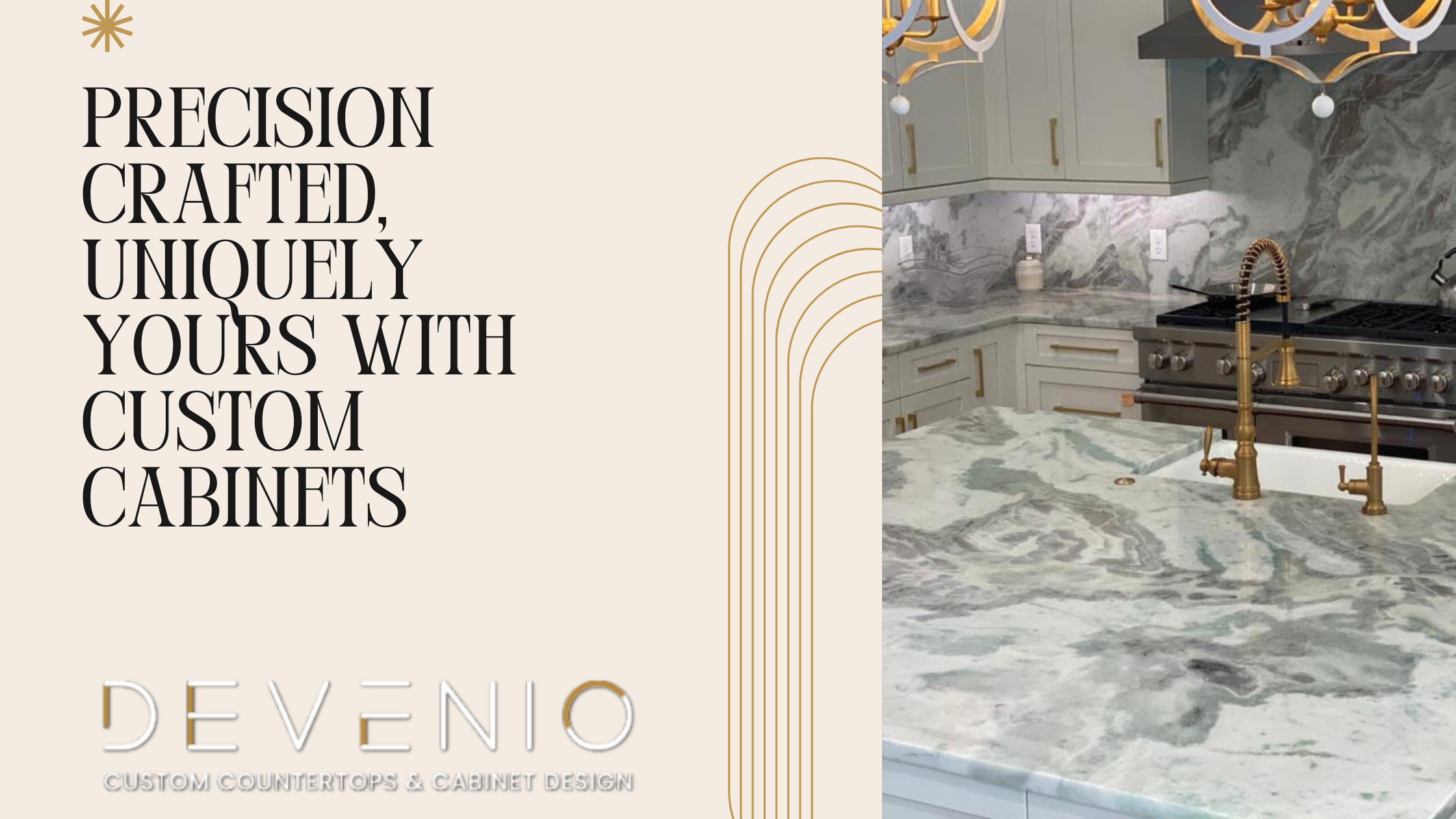
One distinct advantage of slab countertops is the ability to showcase the natural beauty of materials such as granite, marble, or quartz in their entirety. On the other hand, tile countertops offer a unique customizable element through the selection of different tile sizes, shapes, and colors, allowing for intricate designs to be created.
For those seeking a more cohesive and continuous look, slab countertops provide a seamless surface with minimal interruptions. Conversely, tile countertops allow for a creative approach by mixing and matching tiles to form intricate patterns or designs that can become focal points in the room.
Ultimately, the choice between slab and tile countertops depends on individual preferences and design goals. Whether you opt for the sleek elegance of a slab surface or the artistic flair of tiled patterns, both options offer a wealth of customization possibilities to tailor your countertops to your unique style.
Installation Process: Key Differences Between Slab and Tile Countertops
When it comes to installing slab and tile countertops, several notable distinctions set these two options apart. Understanding these disparities can help you make an informed decision based on your specific needs and preferences.
- Slab Countertops:
- Require professional handling due to their weight and size.
- Installation entails cutting the slab to fit the exact dimensions of the countertop space.
- Typically, installed in one solid piece to minimize seams and provide a seamless look.
- Tile Countertops:
- Allow for more creativity and design flexibility due to the individual tiles.
- Can be installed by experienced DIYers, potentially reducing installation costs.
- Grout lines between tiles may require regular maintenance to prevent staining and deterioration.
The installation of slab countertops often involves heavy machinery and specialized tools to ensure proper handling and placement. In contrast, tile countertops offer a more customizable approach, allowing for intricate patterns and designs to be incorporated seamlessly into the installation process.
Maintenance Needs: How to Care for Your Slab or Tile Countertops
When it comes to maintaining your countertop, proper care is essential to prolong its lifespan and keep it looking pristine. Whether you have a slab or tile countertop, following these expert tips can help you preserve the beauty of your investment.
- Regular Cleaning:
- Use a mild soap or pH-neutral cleaner to wipe down your countertop daily.
- Avoid harsh chemicals or abrasive cleaners that can damage the surface.
- Sealing:
- Slab countertops should be sealed every 1-2 years to maintain their integrity.
- Tile countertops may require resealing the grout to prevent staining and water damage.
- Protection:
- Use cutting boards and hot pads to prevent scratches and heat damage.
- Avoid placing heavy objects on unsupported areas to prevent cracking or chipping.
Additionally, for slab countertops, it’s crucial to address any chips or cracks promptly to prevent further damage. Regularly inspecting your countertop for signs of wear and tear can help you catch issues early and address them before they escalate.
By following these maintenance guidelines and incorporating them into your routine, you can ensure that your slab or tile countertop remains a focal point in your space for years to come.


